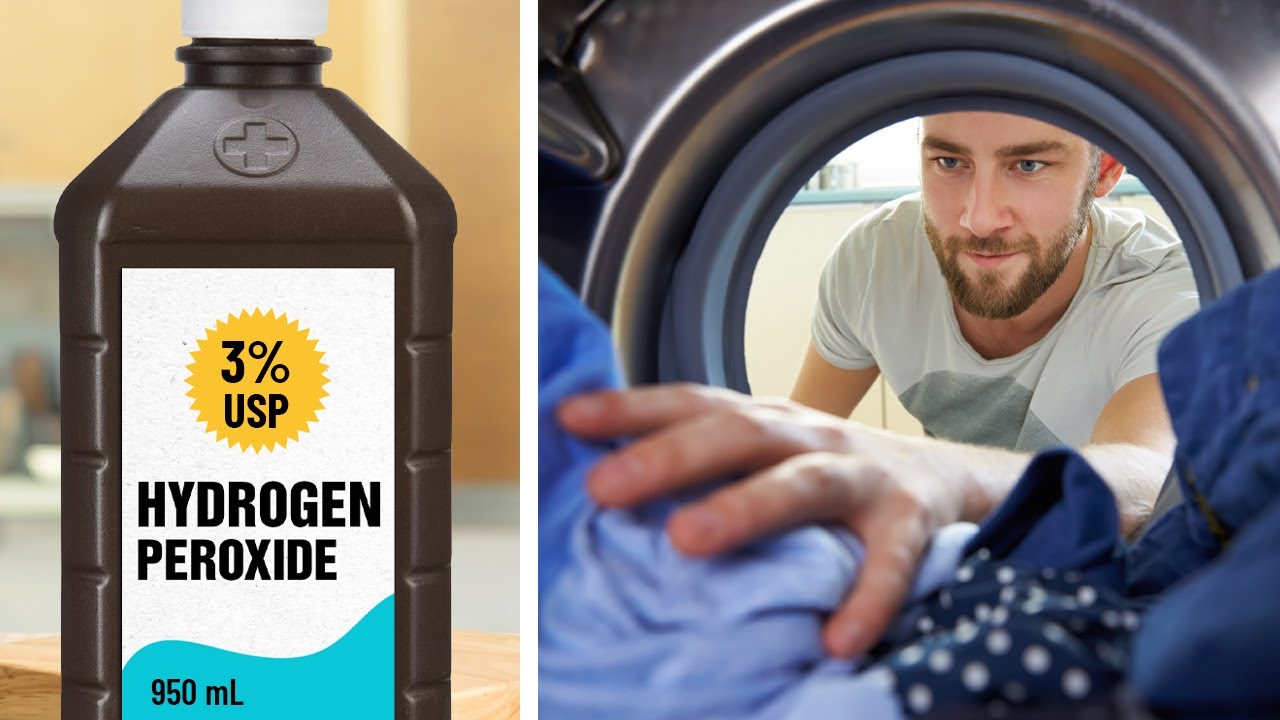
You won’t believe these 14 insane home hacks… with just hydrogen peroxide!
You Won’t Believe These 14 Insane Home Hacks… with Just Hydrogen Peroxide!
Did you know that one of the most versatile cleaning agents might already be in your medicine cabinet? **Hydrogen peroxide**, commonly used for disinfecting minor cuts, is also a powerhouse when it comes to household cleaning. From sanitizing surfaces to brightening laundry, this simple compound can transform your home into a spotless haven with just a few sprays and scrubs. Let’s explore the many ways hydrogen peroxide can be your go-to solution for a cleaner, safer living space, starting in the kitchen!
1. Sanitize Cutting Boards
**Cutting boards**, whether they’re made of wood or plastic, are a hotbed for bacteria. Every time you chop raw meat, vegetables, or fruit, small particles and juices seep into the tiny grooves, creating a perfect environment for germs to multiply. To sanitize this essential kitchen tool, pour a generous amount of hydrogen peroxide directly onto the surface and scrub thoroughly with a clean sponge. After a few minutes, rinse with water to remove any residual peroxide.
2. Clean the Refrigerator
Refrigerators are a central part of any kitchen, but they can also be one of the dirtiest. Over time, food spills, condiment drips, and forgotten leftovers can leave your fridge looking and smelling less than fresh. To clean it, fill a spray bottle with hydrogen peroxide and generously apply it to the shelves, walls, and door compartments. Let it sit for a few minutes, then wipe down the surfaces with a damp cloth or sponge, followed by a dry cloth to remove any excess moisture.
3. Sanitize Sponges
**Sponges** are notorious for harboring bacteria. Regularly sanitizing them with hydrogen peroxide can extend their life and keep your kitchen cleaner. Simply submerge your sponges in a mixture of equal parts hydrogen peroxide and warm water for about 10 minutes. This will eliminate bacteria, viruses, and fungi, while also neutralizing any odors trapped within the sponge. After soaking, rinse them thoroughly under running water.
4. Clean Fresh Produce
Ensuring that your **fruits and vegetables** are free from pesticides, dirt, and other contaminants is vital for your family’s health. To clean your produce without using harsh chemicals, soak them in a mixture of one part hydrogen peroxide to four parts water for up to 30 minutes. After soaking, rinse your fruits and veggies thoroughly under cold water and pat dry with a clean towel before storing or consuming them.
5. Clean the Dishwasher
Even though dishwashers are designed to clean, they can occasionally develop unpleasant odors caused by food particles, grease, and soap scum. To eliminate these odors and keep your dishwasher running efficiently, place a quarter cup of hydrogen peroxide on the top rack of your empty dishwasher and run a high-heat cycle. For an extra thorough clean, spray hydrogen peroxide in the rubber seals and hard-to-reach areas after the cycle is complete.
6. Whiten Grout
Grout between tiles can become discolored over time due to a buildup of dirt, mold, and mildew. Thankfully, restoring the bright, clean appearance of your **grout** can be easily achieved with a simple mixture of one part hydrogen peroxide and three parts baking soda. Apply this paste to the grout lines using a clean, stiff-bristle brush, then scrub thoroughly. Allow the paste to sit for a few minutes before wiping it away with a wet rag.
7. Clean Toilets
Toilets are among the most germ-laden areas in the home and require regular cleaning to maintain hygiene. The good news is that hydrogen peroxide is a powerful yet non-toxic solution that cleans and disinfects. To use, pour a cup directly into the toilet bowl, covering all surfaces. Allow it to sit for 15 minutes to break down stains and kill bacteria. Then, scrub with a toilet brush, paying extra attention to stubborn spots and under the rim.
8. Clean Mirrors
Achieving **streak-free mirrors** can be challenging, especially when using commercial cleaners that often leave behind residue. No worries; hydrogen peroxide is up for the task! Using a spray bottle, lightly mist the surface of your mirrors with the solution. Then, grab a lint-free cloth or microfiber towel and wipe the mirror in a circular motion. The hydrogen peroxide evaporates quickly and leaves your mirrors crystal clear.
9. Remove Soap Scum
**Soap scum** can build up on shower doors, tiles, and bathtubs, forming an unsightly film that is difficult to remove. To tackle this, mix two parts baking soda with one part hydrogen peroxide until it forms a thick consistency. Apply the paste to the affected areas using a sponge or brush, and scrub thoroughly. Finish by rinsing the area with water to remove any remaining residue.
10. Sanitize Beauty, First Aid, and Hygiene Tools
Items like nail clippers, tweezers, and thermometers can also accumulate bacteria, so cleaning them regularly is a must. To help prevent the spread of germs, wipe these items with hydrogen peroxide. And don’t forget about **toothbrushes**! You can soak those for 10 to 15 minutes. Just be sure to rinse them afterward.
11. Kill Dust Mites
**Dust mites** are microscopic creatures that thrive in bedding, feeding on dead skin cells and moisture. They can cause allergic reactions and exacerbate asthma symptoms. To keep them under control, regularly mist the surface of your mattress with hydrogen peroxide using a spray bottle. Just remember to allow the mattress to dry completely before making the bed.
12. Whiten Whites and Remove Stains
Hydrogen peroxide is a powerful natural bleach that can help keep your white laundry bright and stain-free. To whiten whites, pour a cup of hydrogen peroxide directly into the washing machine along with your laundry detergent. For tough stains, create a paste using equal parts hydrogen peroxide, water, and baking soda. Apply it to the stained area, and let it sit for about 10 minutes before washing the garment in a regular wash cycle.
13. Freshen Up the Washing Machine
Washing machines (like dishwashers) can develop mold and mildew, especially if the door is closed too soon after a cycle. This can lead to musty odors that transfer to clothes. To freshen up your washing machine and eliminate any unpleasant smells, pour two cups of hydrogen peroxide into the drum and run a hot cycle. The high temperature, combined with the disinfecting properties of hydrogen peroxide, will kill any mold, mildew, or bacteria lurking in your machine.
14. Sanitize Garbage Cans
**Garbage cans** are often overlooked when it comes to cleaning, but they can quickly become breeding grounds for bacteria and odors. To sanitize them, spray the insides with a mixture of hydrogen peroxide and water right after you’ve taken out the trash. Allow the garbage cans to air dry, preferably outside in the sun. It will speed up the drying process and enhance the disinfecting power of hydrogen peroxide.
With its multitude of uses, hydrogen peroxide is not just a first-aid staple; it’s an essential tool for keeping your home clean, fresh, and free of harmful bacteria. By including this affordable and effective solution in your regular cleaning routine, you can tackle tough stains, eliminate odors, and maintain a healthier environment for your family. Embrace the power of hydrogen peroxide and watch as it simplifies your household chores, one bubble at a time.