You won’t believe how fast plants grow… just by rooting them in water!
You Won’t Believe How Fast Plants Grow… Just by Rooting Them in Water!
Rooting plants in water is not just a fun experiment; it’s a highly effective way to propagate many of your favorite garden plants. By using a biological approach, involving water and some common micro-organisms, you can accelerate the growth and rooting of cuttings much faster than you might expect. Let’s dive into the exciting world of water rooting!
Fundamental Principles of Biological Rooting
To quicken the rooting process, the goal is to introduce a mix of micro-organisms that work symbiotically in water. These micro-organisms release nutrients and hormones, as well as produce oxygen, creating an ideal environment for root development. A higher level of oxygen and nutrients ensures that as soon as roots start to emerge, they have all they need to support rapid growth.
Materials for Rooting Branches in Water
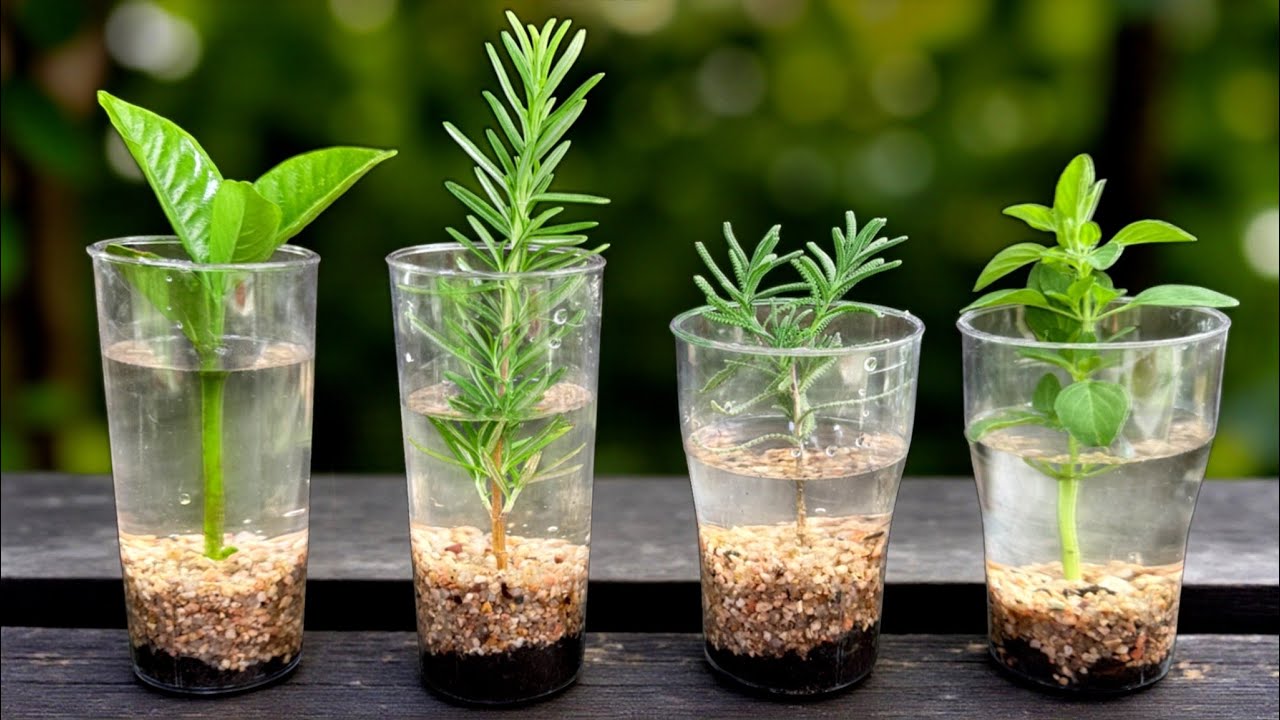
The right materials can make or break your success. Transparent containers, like glass jars or plastic cups, are perfect, as they allow light to pass through and assist with photosynthesis. The size of your container depends on the length of your cuttings—here’s how to choose wisely:
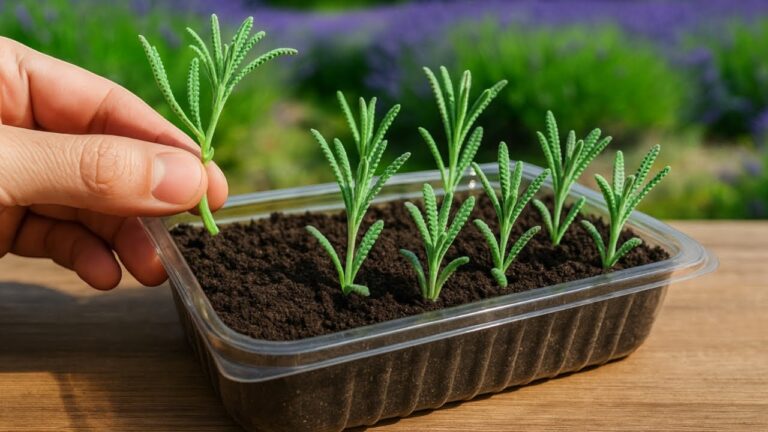
- Use small pots for cuttings of jasmine, rosemary, and lavender—about 15 cm long is ideal.
- For larger cuttings, such as hibiscus, opt for big containers to allow ample root growth.
Adding pebbles to your setup promotes the growth of micro-organisms around them, boosting your results significantly.
Micro-organisms that Promote Rooting in Water
To cultivate effective micro-organisms such as algae, bacteria, and cyanobacteria, look for places in your home where moisture thrives. A clean, airtight jar can help collect and maintain these organisms:
- Flower pots with moist soil.
- Underneath logs or areas shaded by foliage.
- Water collected in bottles or containers after rain is rich in active micro-organisms.
Gathering Micro-organisms for Rooting
The ideal spots to find these organisms are areas with constant moisture. After rain, gather **damp earth** from under plants, where leaves protect the soil, locking in humidity. Preserve collected soil in a cool, shaded place until needed.
Preparing Jars with Micro-organisms for Rooting
Fill your jars with a thin, moist layer of collected soil and add pebbles to help stabilize and promote micro-organism growth. Always allow tap water to sit and dechlorinate before use, or better yet, use rainwater. Fill containers halfway and place your cuttings to start the rooting process.
Choosing Cuttings for Water Rooting
Select healthy, young branches of plants for rooting. Here’s a selection of easy-to-root plants:
- Hydrangeas: Cut young branches excluding flowers.
- Bougainvillea: Choose branches without blooms.
- Jasmine and Lavender: Excellent for quick rooting.
- Oregano and Rosemary: Trim lower leaves to prevent rot.
Preparing Cuttings for Rooting in Water
Remove lower leaves and flowers from your cuttings, and make angled cuts to enhance water absorption. Submerge cuttings promptly to prevent dehydration and ensure robust rooting.
Repotting Water-Rooted Cuttings
Once your cuttings have a healthy root system, transfer them gently to soil. Fill small pots with potting mix and plant the rooted cuttings deep enough to cover the roots completely. This transition from water to soil requires immediate watering to help roots acclimate.
Common Mistakes to Avoid
- Avoid using water with chlorine; always let it sit or use rainwater.
- Ensure leaves aren’t submerged to prevent rot.
- Check water levels regularly to keep roots submerged.
A Call to Action
Now that you’re equipped with these techniques, why not try water rooting in your own garden? It’s not only a sustainable way to propagate plants but also a fascinating way to witness the wonders of nature up close. Give it a go and watch your garden flourish!