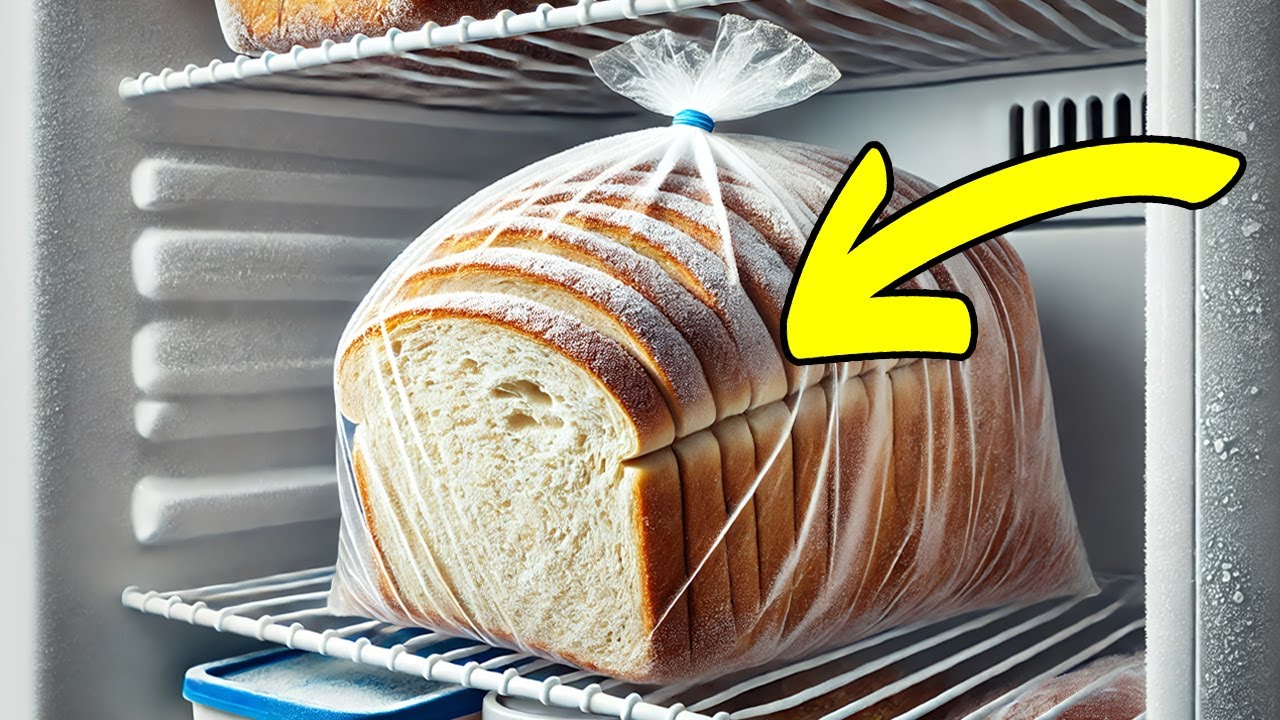
You won’t believe the magic… just by freezing your bread!
You Won’t Believe the Magic… Just by Freezing Your Bread!
Mmm… who doesn’t love a fresh slice of bread? Whether it’s a quick breakfast toast or a hearty sandwich, bread is one of those comforting foods we reach for every day. But here’s a question you might not have considered until now; what if freezing your bread could actually make it better for you? Sounds strange, doesn’t it? Well, stick around, because I’m going to explain why this simple trick could make a world of difference for your health. It’s something you’ll definitely want to try out for yourself!
The Science of Freezing Bread
First off, it’s important to mention that bread (particularly white bread) has a high glycemic index. The starch in it breaks down quickly into glucose and causes spikes in blood sugar levels. For some people, especially those managing insulin sensitivity, these quick spikes can lead to energy crashes, cravings, and a host of other challenges.
But when bread is frozen, it goes through a structural transformation. Freezing literally changes the structure of the starch molecules, creating what’s called resistant starch. Resistant starch is a type of carbohydrate that “resists” digestion in the small intestine. Instead of breaking down quickly and flooding your system with glucose, resistant starch travels to the large intestine, where it’s processed slowly. The result? A lower glycemic response. This means it takes longer for glucose to enter your bloodstream, leading to a slower, more manageable rise in blood sugar.
The Power of Toasting Frozen Bread
Freezing is the first step in reducing the glycemic impact of bread. When you add toasting into the mix, you get even more benefits! Toasting frozen bread further changes the starch molecules, and this additional transformation means that glucose is released into your system at an even slower rate, giving you an even lower glycemic impact. So, by freezing and then toasting, you’re stacking the benefits and making that slice of bread much friendlier to your blood sugar. Pretty cool, right?
But wait! There’s another bonus. Resistant starch is actually great for gut health. Because resistant starch isn’t digested until it reaches the large intestine, it acts like a prebiotic, meaning it feeds the beneficial bacteria in your gut. So, this little bread hack supports your overall digestive health as well!
Additional Tips for Freezing Bread
Bread can get freezer burn if it’s not properly stored, so make sure to seal it tightly in a freezer bag or wrap it in plastic wrap before placing it in the freezer. Bread stays fresh in the freezer for about 3 months, so labeling it can help you keep track. When you’re ready to eat, just take out a slice and pop it straight into the toaster. You don’t need to let it thaw beforehand. Toasting it frozen works perfectly, and you’ll get that crispy, warm texture we all love, plus the benefits of lower glycemic impact.
If you’re not toasting it, let it thaw at room temperature or warm it briefly in the oven. And if you want to go a step further, pair your toast with some protein or healthy fats like avocado, nut butter, or eggs. This adds even more balance to your meal.
Conclusion
There you have it. Who would have thought that freezing and toasting bread could make such a difference? This simple hack is an easy way to enjoy it while being a little kinder to your body. Beyond feeding beneficial gut bacteria and helping you manage your blood sugar levels and insulin spikes, freezing bread, in general, is an excellent way to preserve its freshness and extend its shelf life, especially if you don’t plan to eat it all right away. Freezing also allows you to buy bread in bulk or experiment with different types without worrying about them going bad. You can keep a selection of breads on hand to suit different meals or preferences.
So give it a try, and let us know how it worked for you in the comments below!